Link to this page is http://www.thelizlibrary.org/liz/004.htm
THE
EFFECTS OF PREGNANCY
What women are "at risk"
for complications? ALL of them.
Every minute of every day,
somewhere in the world,
most often in a developing nation,
a woman dies from complications related to
pregnancy or childbirth.
And that's just talking about the immediate
physical repercussions.
Below is a partial list of the physical
effects and risks of pregnancy. This list does not include the many
non-physical effects and risks a woman faces in reproducing, such as the
economic investment of work interruptions from pregnancy and breastfeeding,
or time lost from career and other opportunity costs involved in pregnancy
and later child rearing (mothers comprise 90+% of primary
parents), or the emotional trauma of problem pregnancies, or the numerous
economic and lifestyle repercussions that pregnancy and motherhoodwill have on the remainder of a mother's life.
This page was written in response to the
popular, but mother-denigrating and nonsensical notion that, absent a substantial
investment of some other sort, i.e. absent committed emotional and
financial support of the mother of his child through pregnancy and beyond,
and a familial relationship with both of them in fact, a "father"
is, without anything more, a father, let alone an "equal parent."
We have been culturally conditioned to
accept some incredible and false ideas. But it is offensive to assert
that pregnancy impacts men in any way equivalent to its impact on women; that
fathers and mothers have comparable experiences or feelings in connection
with pregnancy or their babies; that nonresident unwed fathers, based on
DNA, ipso facto "should" have "rights;" that,
from the standpoint of family laws or women's choices regarding abortion,
pregnancy should be viewed as nothing more than an "inconvenience";
or that the riskiest "jobs" in this world all are performed by
men. (Compare the percentages of women carrying the scars
of pregnancy
with the percentages of men who carry the scars of battle.)
Normal, frequent
or expectable temporary side effects of pregnancy:
exhaustion (weariness
common from first weeks)
altered appetite
and senses of taste and smell
nausea and vomiting
(50% of women, first trimester)
heartburn and indigestion
constipation
weight gain
dizziness and light-headedness
bloating, swelling,
fluid retention
hemmorhoids
abdominal cramps
yeast infections
congested, bloody
nose
acne and mild skin
disorders
skin discoloration
(chloasma, face and abdomen)
mild to severe backache
and strain
increased headaches
difficulty sleeping,
and discomfort while sleeping
increased urination
and incontinence
bleeding gums
pica
breast pain and
discharge
swelling of joints,
leg cramps, joint pain
difficulty sitting,
standing in later pregnancy
inability to take
regular medications
shortness of breath
higher blood pressure
hair loss or increased facial/body hair
tendency to anemia
curtailment of ability
to participate in some sports and activities
infection
including from serious and potentially fatal disease
(pregnant women are immune suppressed compared with
non-pregnant women, and
are more susceptible to fungal and certain other diseases)
extreme pain on
delivery
hormonal mood changes,
including normal post-partum depression
continued post-partum
exhaustion and recovery period (exacerbated if a c-section
-- major surgery -- is required, sometimes taking up to a full year to
fully recover)
Normal, expectable,
or frequent PERMANENT side effects of pregnancy:
stretch marks (worse
in younger women)
loose skin
permanent weight
gain or redistribution
abdominal and vaginal
muscle weakness
pelvic floor disorder
(occurring in as many as 35% of middle-aged former child-bearers
and 50% of elderly former child-bearers, associated with urinary and rectal
incontinence, discomfort and reduced quality of life -- aka prolapsed utuerus,
the malady sometimes badly fixed by the transvaginal mesh)
changes to breasts
increased foot size
varicose veins
scarring from episiotomy
or c-section
other permanent
aesthetic changes to the body (all of these are downplayed
by women, because the culture values youth and beauty)
increased proclivity
for hemmorhoids
loss of dental and
bone calcium (cavities and osteoporosis)
higher lifetime risk of developing Altzheimer's
newer research indicates
microchimeric cells, other bi-directional exchanges of DNA, chromosomes, and other bodily material between fetus and
mother (including with "unrelated" gestational surrogates)
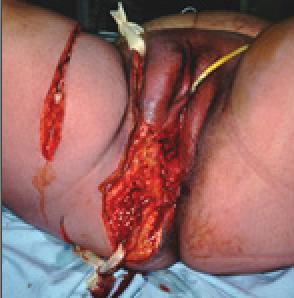
severe
scarring
requiring later surgery (especially after additional pregnancies)
dropped (prolapsed)
uterus (especially after additional pregnancies, and other
pelvic floor weaknesses -- 11% of women, including cystocele, rectocele,
and enterocele)
pre-eclampsia
(edema and hypertension, the most common complication of pregnancy, associated
with eclampsia, and affecting 7 - 10% of pregnancies)
eclampsia (convulsions,
coma during pregnancy or labor, high risk of death)
gestational diabetes
placenta previa
anemia (which
can be life-threatening)
thrombocytopenic
purpura
severe cramping
embolism
(blood clots)
medical disability
requiring full bed rest (frequently ordered during part of
many pregnancies varying from days to months for health of either mother
or baby)
diastasis recti,
also torn abdominal muscles
mitral valve stenosis
(most common cardiac complication)
serious infection
and disease (e.g. increased risk of tuberculosis)
hormonal imbalance
ectopic pregnancy
(risk of death)
broken bones (ribcage,
"tail bone")
hemorrhage
and
numerous other complications
of delivery
refractory gastroesophageal
reflux disease
aggravation of pre-pregnancy
diseases and conditions (e.g. epilepsy is present in .5%
of pregnant women, and the pregnancy alters drug metabolism and treatment
prospects all the while it increases the number and frequency of seizures)
severe post-partum
depression and psychosis
research now indicates
a possible link between ovarian cancer and female fertility treatments,
including "egg harvesting" from infertile women and donors
research also now
indicates correlations between lower breast cancer survival rates and proximity
in time to onset of cancer of last pregnancy
research also indicates
a correlation between having six or more pregnancies and a risk of coronary
and cardiovascular disease
Maternal
mortality is so high in the developing world (1 in 48) that it is customary
for Tanzanian women about to give birth to bid farewell to their older
children.
--
Michele Landsberg, TORONTO STAR, Sat., Sept. 30, 2000,
p. L1 "U.N. Executive Council Fights Inequality With Shocking Facts
and Figures"
Pregnancy/childbirth
was a leading cause of death
of American women of childbearing age at the turn of the century.
It remains a leading cause of death of women in many countries in the world.
Mothers Against the Odds:
shocking documentary about the physical harm inflicted on Irish women who underwent brutal nonconsensual
"symphysiotomies" during childbirth.
All pregnant women, by virtue
of their pregnant status,
face some level of maternal risk. Data suggest that around 40%
of all pregnant women have some complication. About 15% ... [have complications] that are potentially
life-threatening.
If a person put this sort of effort and
risk into some other venture, would we think it "equality" if
someone else got equal credit for the accomplishment, or equal rights in
the outcome, just because he had participated -- at his own request or
behest -- for a few pleasurable and "fully compensated" minutes?
Before you tell me about
"father's rights," I want to know: what did he put in on his
end toward an equivalent, albeit different kind of investment? --liz
"Can a function
so perilous that in spite of the best care, it kills thousands of women
every year, that leaves at least a quarter of the women more or less invalided,
and a majority with permanent anatomic changes of structure, that is always
attended by severe pain and tearing of tissues, and that kills 3%-5% of
children -- can such a function be called normal?"
-- Joseph, B. BeLee,
obstetrician, quoted in Wendy Mitchinson, Giving Birth in Canada 1900-1950
(2002) Toronto Press, ISBN 0-8020-8471-0, a history of childbirth in Canada
The short answer is: YES. The medical definition of "parasite" traditionally refers to a different species, but
this is an arbitrary criterion, and relaxing somewhat. The "different species" requirement was included in the definition specifically
to eliminate pregnancy. However,
the delineation of what constitutes a "different species" (organisms unable to reproduce, or at least unable to
reproduce fertile offspring) is not always so clear.
Consider the many common examples of cross-species pregnancies,
for example, a cross between a tiger and lion (a "tigon" or "liger"), or horse-donkey pregnancies
that result in a mule or hinnie, including occasional examples of fertile offspring. Would those pregnancies then involve
a parasite-host relationship, but not "same-species" pregnancies? What about gestational surrogacy, in which
the mother is not genetically related to the fetus? Scientists are now
unsure of whether the Neanderthals really were a different species of human. Human beings themselves
may have been involved in cross-species pregnancies 30,000 years ago.
In fact, in all functional ways, the fetus meets the definition of an
"obligate parasite" (a parasite completely unable to live outside of the host).
The smaller or incomplete twin in a set of assymetrical conjoined twins may be also considered medically to
be a human parasite. While calling a fetus a "parasite" is upsetting and shocking to some,
because it carries a repulsive connotation that does not fit with the reality of a loved and wanted
child, there really
should not be emotional baggage attached to cold facts. We all are hosts to billions of parasites, and
biologically, actually
have a far
more symbiotic relationship with our gut flora than a mother has to a fetus. -- liz
Research study on the effects of abortion
[Information regarding "PASS" -- "Post-abortion Stress Syndrome"]
Induced First-Trimester Abortion and Risk of Mental Disorder
Trine Munk-Olsen, Ph.D., et. al
N Engl J Med 2011; 364:332-339
January 27, 2011
"I
believe, as a wage-earning woman, that if I make the great sacrifice
of strength and health and even risk my life, to have a child, I should
certainly not do so if, on some future occasion, the man can say that the
child belongs to him by law and he will take it from me and I shall
see it only three times a year!
-- lsadora Duncan in her biography, My Life (1927)
M.
Fathallah, M.D. (researcher) World's Top Five Causes Of Disease
Burden In Young People And Adults Ages 15-44 Female:1.
Maternity
2. Sexually Transmitted Diseases 3.
Tuberculosis 4. HIV Infection 5.
Depression Male:1. HIV Infection 2. Tuberculosis 3.
Motor Vehicle Injury 4. Homicide And
Violence 5. WarBACK TO
TEXT
Myth:
Most women enjoy being pregnant.
Fact: Some women do; some women don't,
and for most, it's just not that simple. We tend not to hear as
often from the women who don't. Lots
of women who are happy about being pregnant and who want their babies dislike
or even hate the physical pregnancy itself. And every abortion stands as
testament to the fact that women are not merely containers carrying an
incidental fetus that with just a little more effort and a small bit of
inconvenience just could be carried to term and then given up for adoption.
Except
as otherwise noted, all contents in this collection are copyright 1996-2014
the liz library. All rights
reserved.
This site is hosted and maintained by argate.netSend queries to: sarah-at-thelizlibrary.org